

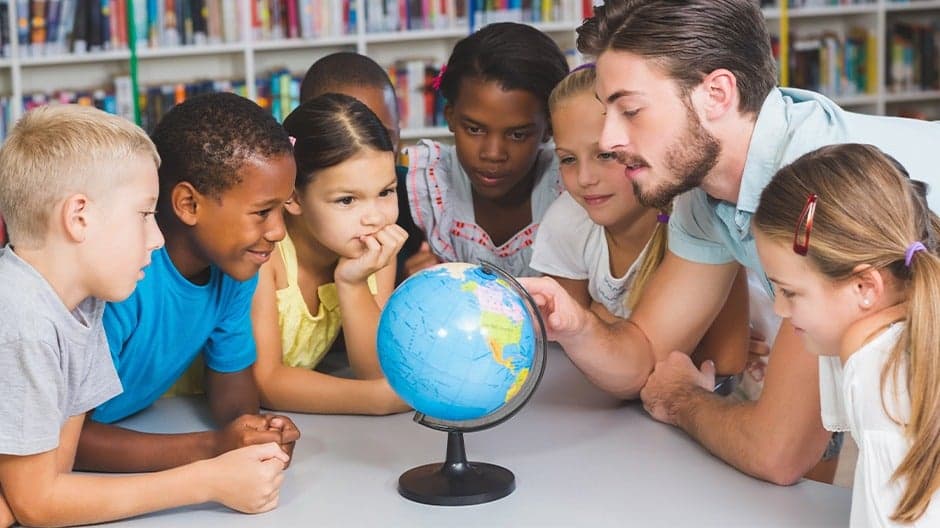
Education today extends beyond textbooks and examinations. Schools are expected to nurture students who are confident, emotionally balanced, socially responsible, and intellectually capable. Holistic development focuses on shaping the overall personality of learners by supporting their academic, emotional, physical, social, and creative growth together.
A school environment that promotes holistic development prepares students not only for exams but also for real-life challenges and opportunities.
What Holistic Development Means in School Education
Holistic development refers to the balanced growth of multiple aspects of a student’s personality rather than focusing only on academic performance.
It includes development in areas such as:
- Intellectual abilities
- Emotional awareness
- Social skills
- Physical health
- Creativity and imagination
- Ethical values and responsibility
This integrated approach helps students become well-rounded individuals.
Supports Strong Academic Performance 📘
Holistic education does not reduce academic importance; instead, it strengthens learning by improving focus, motivation, and understanding.
Students benefit academically when schools provide:
- Activity-based learning methods
- Interactive classroom discussions
- Project-based assignments
- Opportunities for curiosity-driven exploration
These strategies improve concept clarity and long-term retention.
Encourages Emotional Intelligence and Self-Awareness 💬
Emotional development is essential for managing stress, building relationships, and making thoughtful decisions.
Schools that support emotional growth help students:
- Understand their feelings better
- Develop empathy toward others
- Handle academic pressure effectively
- Build resilience during challenges
Emotionally balanced students adapt more easily to changing environments.
Promotes Physical Health and Active Lifestyles ⚽
Physical development plays a major role in improving concentration, discipline, and overall well-being.
School programs that support physical growth include:
- Sports activities
- Yoga and fitness sessions
- Outdoor learning experiences
- Health awareness initiatives
Healthy students are more energetic and productive in academic settings.
Strengthens Social Skills Through Collaboration 🤝
Students learn important interpersonal skills through group activities and shared responsibilities.
Holistic school environments encourage:
- Teamwork through group projects
- Respect for diverse perspectives
- Leadership opportunities
- Conflict resolution skills
These abilities are essential for future workplace success.
Builds Creativity and Innovation Skills 🎨
Creative expression helps students think independently and approach problems with confidence.
Schools that promote creativity support activities such as:
- Art and music programs
- Drama and storytelling sessions
- Innovation clubs
- Design and experimentation projects
Creative experiences strengthen imagination and critical thinking abilities.
Develops Ethical Values and Responsible Behavior 🌍
Character development is a key part of holistic education. Schools help students understand the importance of integrity, respect, and responsibility.
Value-based learning encourages students to:
- Practice honesty in daily activities
- Respect cultural diversity
- Participate in community service
- Develop a sense of social responsibility
Strong values shape responsible citizens.
Improves Confidence and Communication Skills 🗣️
Confidence grows when students receive opportunities to express ideas and participate in activities beyond traditional academics.
Schools support confidence building through:
- Public speaking opportunities
- Classroom presentations
- Debate competitions
- Leadership roles in school events
Confident students participate actively in both academic and social environments.
Encourages Independent Thinking and Decision-Making 🧠
Holistic education encourages students to explore ideas, ask questions, and think critically.
Independent thinking helps students:
- Solve problems creatively
- Make informed choices
- Take initiative in learning tasks
- Develop long-term goal-setting habits
These skills prepare students for higher education and professional life.
Creates a Balanced Approach to Learning and Life ⚖️
Holistic development ensures that students do not experience learning as pressure alone. Instead, they develop a healthy relationship with education and personal growth.
Balanced learning environments help students:
- Maintain motivation toward studies
- Participate in extracurricular activities
- Build positive self-esteem
- Develop lifelong learning habits
Such balance supports long-term success and well-being.
FAQs About the Importance of Holistic Development in Schools
1. At what age should holistic development begin in schools?
Holistic development should begin at the early primary level, as foundational habits and attitudes develop during the initial years of education.
2. How do extracurricular activities contribute to holistic growth?
Extracurricular activities strengthen creativity, teamwork, leadership, and time-management skills that complement academic learning.
3. Can holistic development improve classroom behavior?
Yes. Students who receive emotional and social support often show improved discipline, cooperation, and classroom participation.
4. What role do teachers play in holistic development?
Teachers guide students academically while also encouraging emotional support, creativity, collaboration, and ethical understanding.
5. How can schools measure holistic development progress?
Schools can evaluate progress through activity participation, behavioral observation, project performance, teamwork involvement, and communication improvements.
6. Does holistic education help students handle stress better?
Yes. Emotional awareness activities and supportive environments help students manage academic pressure more effectively.
7. How can parents support holistic development at home?
Parents can encourage reading habits, creative hobbies, physical activities, and open communication to reinforce balanced growth outside school.
Comments are closed.