

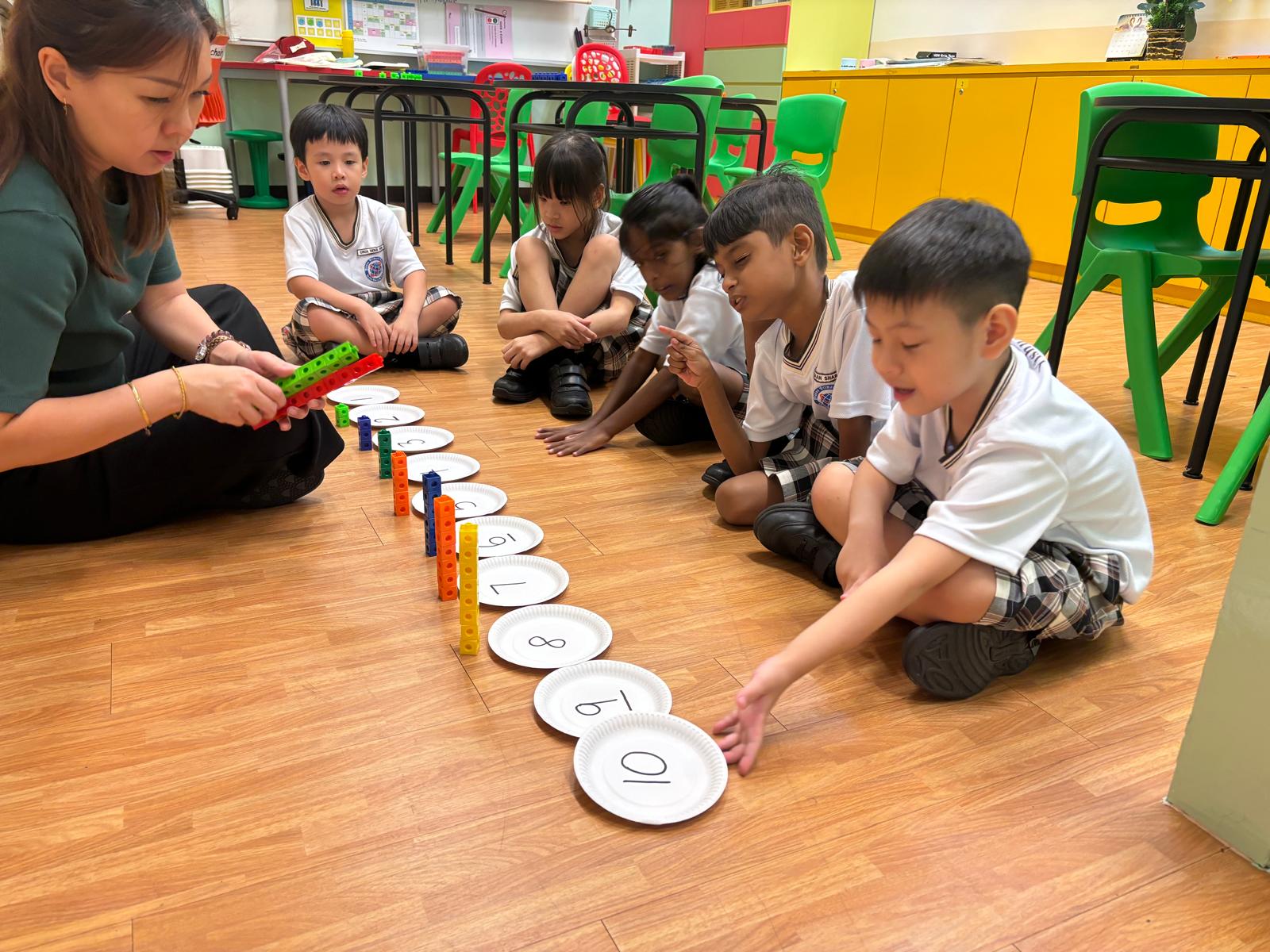
The transition from kindergarten in Singapore to Primary One marks a significant milestone for young children. Many parents worry about whether their child is ready for formal schooling. While academic preparation matters, the skills that truly make a difference often extend beyond reading and counting.
Understanding What Primary One Actually Requires
Primary One teachers across Singapore consistently highlight that social and emotional skills matter more than advanced academics. A child who can follow instructions, work alongside others, and manage their emotions adapts better to the classroom environment. These foundational abilities help children learn effectively once formal lessons begin.
Children entering Primary One need basic self-care skills. They should manage their belongings, eat independently, and use the toilet without help. These practical abilities free up mental energy for learning. When children struggle with daily tasks, they have less capacity to focus on lessons.
Social Skills That Create Classroom Success
The ability to take turns and share materials proves essential in group settings. Primary One classrooms involve constant interaction with peers. Children who understand social give-and-take settle into routines faster. They make friends more easily and feel comfortable asking for help when needed.
Communication skills help children express their needs clearly. A child who can tell their teacher they need water or explain confusion about an instruction solves problems independently. This confidence builds as kindergarten in Singapore provides opportunities for children to speak up in safe environments.
Listening remains one of the most valuable skills for academic success. Children who can pay attention to instructions and follow multi-step directions cope better with classroom demands. Parents can build this skill through simple activities at home, like cooking together or playing games with rules.
Emotional Readiness Makes The Difference
Separation anxiety affects many children starting Primary One. Those who have developed coping strategies handle the transition more smoothly. Kindergarten experiences that gradually build independence prepare children for longer school days away from parents.
Dealing with disappointment and frustration matters greatly in learning environments. Not every task comes easily, and children need resilience to keep trying. When kindergartens in Singapore encourage problem-solving and celebrate effort over perfection, children develop healthier attitudes toward challenges.
The ability to recognise and name emotions helps children communicate their feelings. A child who can say “I feel worried about this test” can receive appropriate support. Teachers respond more effectively when children express themselves clearly rather than acting out.
Academic Foundations Without Pressure
Basic literacy awareness helps children feel confident when formal reading instruction begins. This means understanding that print carries meaning and showing interest in books. However, children don’t need to read fluently before Primary One starts. The curriculum assumes varied starting points.
Number sense matters more than memorising sums. Children who understand quantities, can compare sizes, and recognise patterns adjust well to mathematics lessons. Play-based learning during kindergarten naturally develops these concepts without formal drilling.
Fine motor skills support writing tasks. Children who can hold pencils comfortably and control their hand movements find handwriting less frustrating. Activities like drawing, using scissors, and playing with small objects build these muscles gradually.
Preparing Without Overwhelming
Parents sometimes push academic work too hard, creating stress that undermines readiness. A child who associates learning with pressure may resist school from the start. Balance matters more than advancement.
Daily routines that mirror school schedules help children adjust to Primary One timing. Regular sleep patterns, morning routines, and structured activity times create familiarity with the rhythm of school days.
The kindergarten in Singapore experience should build confidence and curiosity. Children who feel capable and interested in learning carry these attitudes into Primary One. Parents who focus on the whole child rather than just academic markers set their children up for lasting success in school and beyond.
Comments are closed.