

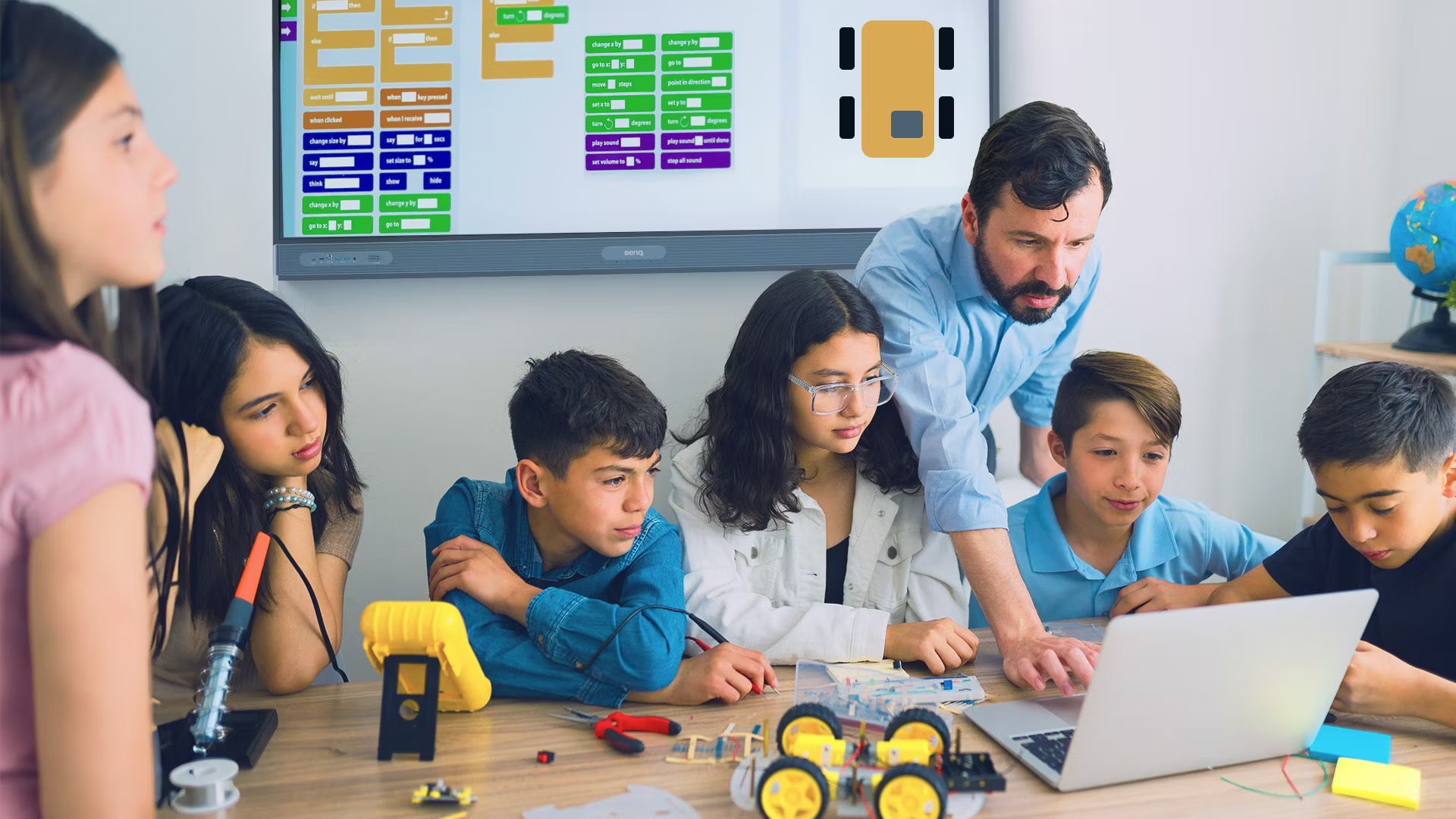
Education has always played a central role in shaping societies, economies, and individual futures. However, the world students are preparing for today is dramatically different from the one previous generations entered. Rapid technological change, evolving job markets, and global connectivity demand a new approach to learning. Innovation in modern education is no longer optional—it is essential for relevance, adaptability, and long-term success.
Educational innovation strengthens learning outcomes, prepares students for real-world challenges, and ensures institutions remain responsive to future needs.
The Changing Nature of Work Requires New Skills 💼
Traditional education systems were designed for predictable career paths and stable industries. Today’s workforce values flexibility, creativity, and problem-solving more than routine memorization.
Modern learners must develop:
- Critical thinking abilities
- Digital literacy skills
- Communication and collaboration strengths
- Adaptability to changing environments
- Creative problem-solving techniques
Innovative education methods help students prepare for careers that may not yet exist but will emerge in the near future.
Technology Is Transforming How Students Learn 🌐
Digital tools have expanded access to knowledge beyond textbooks and lecture halls. Innovation allows students to interact with information in more engaging and meaningful ways.
Technology-supported learning includes:
- Virtual classrooms and remote access platforms
- Interactive multimedia learning materials
- Real-time collaboration tools
- Online assessment systems
These developments improve both accessibility and learning flexibility.
Personalized Learning Improves Student Engagement 🎯
Every student learns differently. Innovative education recognizes this diversity and adapts teaching approaches accordingly.
Personalized learning strategies include:
- Adaptive digital learning platforms
- Flexible pacing options
- Customized lesson pathways
- Data-supported progress tracking
When learning matches individual needs, students become more confident and motivated.
Innovation Encourages Practical Learning Experiences 🧪
Modern education must move beyond theoretical instruction to include real-world application. Practical exposure improves understanding and strengthens career readiness.
Examples of innovative practical learning methods include:
- Project-based learning
- Simulation-based training
- Industry collaboration programs
- Internship-integrated coursework
These approaches help students connect classroom knowledge with professional environments.
Teachers Benefit From Innovation as Much as Students 👩🏫
Educational innovation does not replace teachers; it enhances their effectiveness. With access to modern tools, educators can deliver more interactive and meaningful lessons.
Innovative teaching support includes:
- Digital classroom management tools
- Performance analytics dashboards
- Collaborative teaching platforms
- Multimedia teaching resources
Teachers become facilitators of deeper learning rather than simply information providers.
Innovation Promotes Equal Access to Quality Education 🌍
Technology-driven education solutions reduce barriers created by geography, infrastructure limitations, or resource shortages.
Benefits of inclusive innovation include:
- Remote learning opportunities
- Access to global educational materials
- Flexible learning schedules
- Support for diverse learning needs
These changes help create more equitable education systems worldwide.
Collaboration Skills Are Strengthened Through Modern Learning Models 🤝
Innovation encourages teamwork through interactive platforms and group-based projects. Students learn to communicate ideas clearly and work with diverse perspectives.
Collaborative learning environments promote:
- Peer-to-peer learning
- Cross-cultural communication
- Shared problem-solving experiences
- Leadership development opportunities
These skills are essential for success in modern workplaces.
Data-Driven Education Helps Improve Learning Outcomes 📊
Educational institutions increasingly rely on analytics to improve teaching strategies and student performance tracking.
Data-supported innovation allows institutions to:
- Identify learning gaps early
- Monitor student engagement levels
- Adjust curriculum effectiveness
- Provide targeted academic support
This leads to more efficient and responsive education systems.
Innovation Encourages Lifelong Learning Habits 🔁
Learning today extends far beyond formal schooling years. Innovation helps individuals stay prepared for evolving professional environments throughout their lives.
Modern learning opportunities include:
- Short-term online certification programs
- Skill-based training platforms
- Remote workshops and seminars
- Professional development courses
These resources make continuous learning accessible to people at every stage of their careers.
Educational Institutions Must Adapt to Remain Relevant
Institutions that resist change risk becoming disconnected from industry expectations and student needs. Innovation ensures that education systems stay aligned with global developments.
Modern institutions benefit from innovation by:
- Updating curriculum structures regularly
- Integrating digital learning environments
- Partnering with industries
- Supporting interdisciplinary learning
Such efforts strengthen institutional credibility and student success outcomes.
FAQs About Why Modern Education Needs Innovation
1. What is meant by innovation in education?
Innovation in education refers to introducing new teaching methods, technologies, curriculum strategies, and learning models that improve student engagement and learning effectiveness.
2. Can educational innovation improve employment opportunities for students?
Yes. Innovative learning approaches help students develop practical skills and industry-relevant knowledge that increase employability.
3. Is innovation in education expensive for institutions?
While initial investment may be required, many digital tools reduce long-term operational costs and improve teaching efficiency.
4. How does innovation support creativity among students?
Innovative learning environments encourage experimentation, independent thinking, and project-based learning, which naturally strengthen creative abilities.
5. Are traditional teaching methods still useful in modern education?
Yes. Traditional approaches remain valuable when combined with modern techniques through blended learning models.
6. How does innovation help students from rural or remote areas?
Digital learning platforms provide access to high-quality educational resources regardless of location, reducing geographic learning barriers.
7. What role do governments play in promoting educational innovation?
Governments support innovation by investing in infrastructure, developing digital education policies, and encouraging technology integration in institutions.
Comments are closed.